 TAROFLIP
Celtic Cross for Beginners: The 10 Positions Explained
The Celtic Cross looks intimidating — ten cards, ten Latin-sounding positions — but you do not need to memorize all of them to read one well. Think of the spread as four groups: the <strong>core</strong> (1. The heart of it, 2. What crosses you) names the situation and its immediate challenge; the <strong>timeline</strong> (4. Behind you, 6. Before you, 10. Where this leads) traces where it came from and where it tends; the <strong>inner weather</strong> (3. Beneath the surface, 7. How you see yourself, 9. Hopes and fears) shows what is driving you; and the <strong>outer weather</strong> (5. Above you — your aspiration, not a promise, 8. How others see it) shows the forces around you. For your first few Celtic Cross readings, read positions 1, 2, 5, and 6 before anything else. Those four give you the situation, the obstacle, the best you can aim for, and what is approaching — roughly eighty percent of the reading’s practical value. Then read 7, 8, and 9 as the story around you: your stance, other people’s view, and the hope-fear tangle that is usually running the show. Positions 3, 4, and 10 fill in last, like background you notice once the foreground is clear. The classic beginner mistake is treating position 10 as fate. It is a tendency — where things lean if nothing changes — which is exactly why the spread is useful: it shows you the trajectory while you still have time to steer. Keep your first few crosses. A month later, re-reading them shows you which positions you read well and which you projected onto — that feedback loop is the real beginner’s curriculum.
Tarot works best here as structured reflection: three cards — where you stand, what crosses you, where things lean — read together around your exact question. Selene, TaroFlip's AI reader, writes every interpretation from your words, never from a script.
The 4 positions that carry your first Celtic Cross
If ten positions blur together, hold these: 1. The heart of it — strip the question to its core; if this card surprises you, the surprise is the reading. 2. What crosses you — the obstacle is often internal (a fear, a habit) rather than external. 5. Above you — the best realistic outcome; use it as a compass, not a lottery ticket. 6. Before you — what is approaching soonest; this is where preparation pays. Read these four as a sentence and you will rarely feel lost in the other six.
Two beginner mistakes to skip
First, memorizing keywords instead of reading relationships: the spread’s power is in how cards modify each other across positions, not in ten isolated definitions. Second, pulling the Celtic Cross for tiny questions — “should I text him back?” deserves three cards, not ten. Save the full cross for decisions with history and competing factors, like the ones in our hard decisions guide. The complete position reference is on the Celtic Cross spread page.
A 15-minute first reading ritual
Shuffle while holding one clear question — write it on paper if your mind wanders. Lay the ten cards in order without interpreting as you go; the urge to react to card 2 before card 6 is placed is the main reason beginners get overwhelmed. Then read only positions 1, 2, 5, and 6 out loud, one sentence each, and write those four sentences down. Only then walk the rest: 3 and 4 for backstory, 7, 8, and 9 for the human weather, 10 last as the current trajectory. End by writing one concrete thing you will do differently this week based on position 6 (what is approaching). Fifteen minutes, one page of notes, and you have done a real Celtic Cross — the depth comes from the sequence, not from staring longer.
Cards often tied to this question
Questions, answered
Can tarot answer this question?
Tarot doesn't predict outcomes — it reflects the dynamics around your question so you can see your situation more clearly. Think of it as a mirror with symbols rather than a crystal ball.
How do I get a free reading for this?
Ask your question in your own words on TaroFlip's free reading page, draw three cards, and Selene writes an interpretation around your actual question. No account, no card, about a minute.
Which cards are associated with this kind of question?
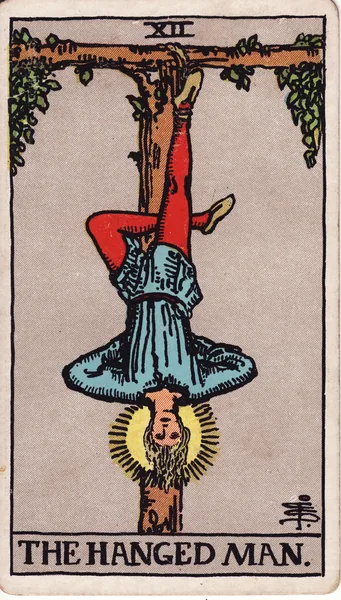
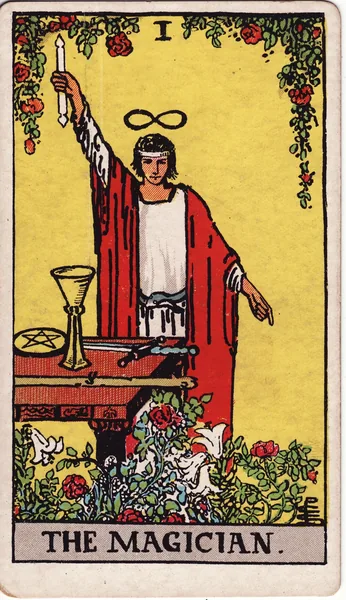
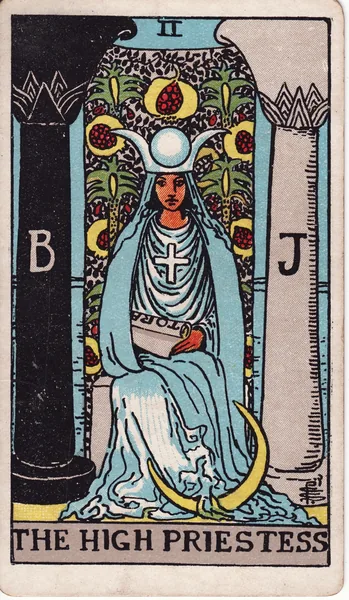
Readers often look to cards like The Hanged Man, The Magician, The High Priestess for decisions & choices questions — each one highlighting a different facet of the situation.
Ask Selene yourself
Your question, three cards, and a full AI interpretation — free, no account, about a minute.