 TAROFLIP
Horseshoe Tarot Spread: The 7-Card Decision Layout
The horseshoe is the decision spread for when two options keep circling and three cards are not enough room. Seven positions, laid out in an arc like a horseshoe: the present, the obstacle, the past that shaped it, what is approaching, your stance, the outside forces, and the likely outcome. It is the middleweight champion of spreads — deeper than a three-card pull, faster than the full Celtic Cross, and built specifically for choices. Walk the arc in order. <strong>1. The present</strong> — where you actually are, not where you tell people you are. <strong>2. The obstacle</strong> — what crosses you; often internal, a fear or a habit, not an external villain. <strong>3. The past</strong> — what shaped this decision; the history the choice inherited. <strong>4. What approaches</strong> — what is coming soonest, where preparation pays. <strong>5. Your stance</strong> — the blind-spot position; read it as a mirror, not a compliment. <strong>6. Outside forces</strong> — people, timing, markets, the weather you did not make. <strong>7. The outcome</strong> — the lean of things if nothing changes. A tendency, never a verdict; its job is to show you the trajectory while you can still steer. Use the horseshoe when the choice has two-ish clear paths and a real deadline — the job offer, the move, the stay-or-go. For sprawling situations with history and competing factors, the full <a href="/spreads/celtic-cross.html">Celtic Cross</a> earns its ten cards. Pull once, then sit with the spread for twenty minutes before deciding anything. The horseshoe does not choose for you; it lays the choice out honestly enough that you can.
Tarot works best here as structured reflection: three cards — where you stand, what crosses you, where things lean — read together around your exact question. Selene, TaroFlip's AI reader, writes every interpretation from your words, never from a script.
Reading the horseshoe as one sentence
Positions 1, 4, and 7 are the story arc: where you are, what is approaching, where it leans. Read those three first, in order, as a single sentence. Positions 2, 5, and 6 are the forces acting on the story — the obstacle, your stance, the outside weather. Position 3 is the backstory, read last. This order keeps you from drowning in seven isolated meanings; the spread’s power is in how the cards modify each other across the arc.
The position most people misread
Position 5 — your stance — is where the reading usually lives. A flattering card here (“I am the hero of this decision”) deserves suspicion; a harsh card here deserves compassion. Either way, it is describing how you are showing up, which is the one variable you can actually change. If position 7’s outcome bothers you, look back at position 5 before you blame position 6: the fastest way to change a trajectory is to change the stance. For the two-option version of this work, see our two-options guide, and for the question behind the question, how to make hard decisions.
Cards often tied to this question
Questions, answered
Can tarot answer this question?
Tarot doesn't predict outcomes — it reflects the dynamics around your question so you can see your situation more clearly. Think of it as a mirror with symbols rather than a crystal ball.
How do I get a free reading for this?
Ask your question in your own words on TaroFlip's free reading page, draw three cards, and Selene writes an interpretation around your actual question. No account, no card, about a minute.
Which cards are associated with this kind of question?
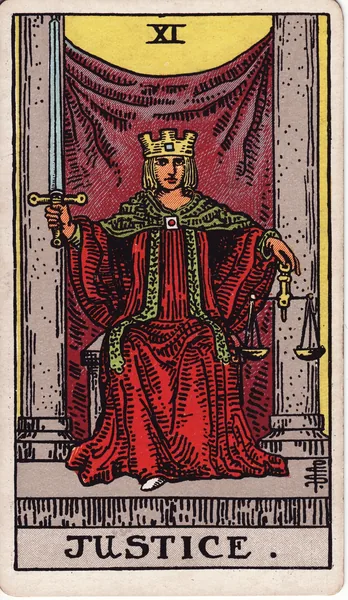
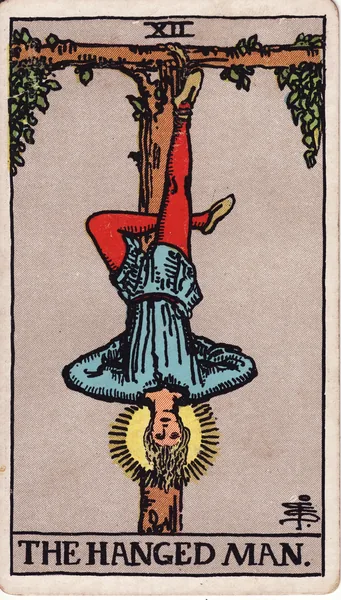
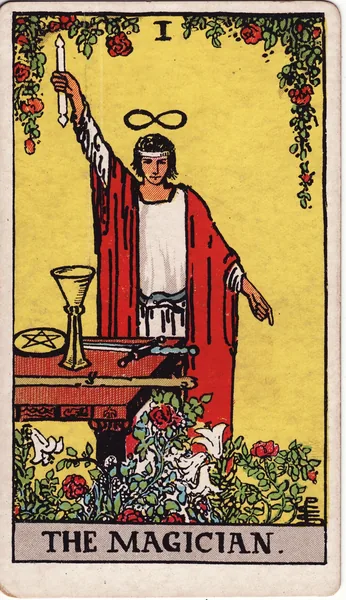
Readers often look to cards like Justice, The Hanged Man, The Magician for decisions & choices questions — each one highlighting a different facet of the situation.
Ask Selene yourself
Your question, three cards, and a full AI interpretation — free, no account, about a minute.