 TAROFLIP
Does He Want Me Back Tarot: A Free Guide
Does he want you back? Missing someone, wanting them back, and actually coming back are three different things, and most of the pain in this question comes from treating them as one. A person can miss you and never intend to return. A person can want you back in a lonely hour and still not change anything that broke the relationship. And a person can come back without wanting the same relationship you want. A tarot reading cannot check another person's private feelings, and any page that claims it can is selling certainty it does not have. What the cards can do is separate the feeling from the intention from the action, so you stop making a life decision out of a lonely hour. Below is that separation, the observable signs worth trusting, the cards readers notice, and a spread with a boundary built in.
Tarot works best here as structured reflection: three cards — where you stand, what crosses you, where things lean — read together around your exact question. Selene, TaroFlip's AI reader, writes every interpretation from your words, never from a script.
Wanting, missing, returning: three different things
Missing is a feeling, and feelings are weather. They arrive after a song, a place, a date on the calendar, and they pass. Wanting is an intention, and intentions are quieter: they show up as a decision someone keeps making, not as a mood someone keeps having. Returning is an action with a cost attached, because coming back means facing the problem that ended things, not just the person who left. When you ask whether he wants you back, ask which of the three you actually need to know. If you need to know whether he misses you, that is a different page, and our page on does my ex miss me draws that line carefully.
The confusion is expensive because each of the three suggests a different move from you. Missing suggests waiting for the weather to change. Wanting suggests a conversation, if the door is actually open. Returning suggests a negotiation about what would be different this time. If you act on missing as if it were returning, you end up chasing a feeling that was never an offer. If you act on returning as if it were only missing, you may dismiss a genuine attempt to repair. The cards help by asking which one you are actually looking at, before you decide what to do about it.
Observable signs, and stories to stop telling
Trust behaviour that costs something. Consistent contact over weeks, not a single late-night message. A changed approach to the original problem, not a changed description of it. A concrete plan that includes your needs, not a vague "let us try again" that leaves everything as it was. Those are the signs of intention turning into action, and they are boring in the best way: they do not need interpretation, which is exactly why they are reliable.
Stop telling the stories that feel like evidence but are not. A viewed story is not a message. A like is not a conversation. A mutual friend reporting that he "seems sad" is not a plan. Nostalgia dressed as a sign is the most common trap here, because it feels so specific: the song, the place, the anniversary. Specificity is not evidence of intention. If the only signs you can list are things he did not have to choose, you do not yet have an answer, and it is kinder to say so than to build a decision on it. Whether he is likely to return at all is a separate question, covered on our page about is my ex coming back.
Cards readers notice when return is on the table
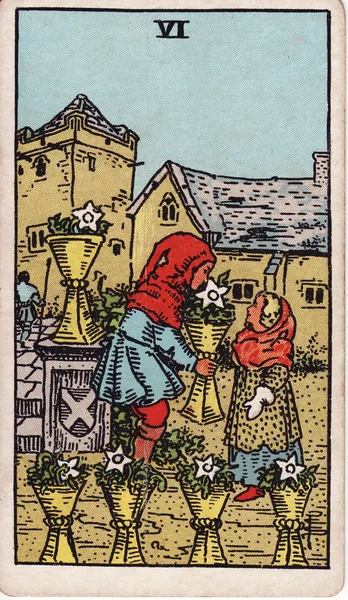
The Six of Cups is the nostalgia card, and it is the one to handle with care here. Upright, it shows happy memories and a pull toward the past. The Six of Cups reversed shows the same pull turned sticky: living in the past instead of learning from it, for either of you. If nostalgia dominates the reading, the question to ask is not whether the past was good. It was, in parts. The question is whether the past is being used as a place to hide from the present.
The Two of Cups shows mutual exchange, and it matters because it is a two-person card: both cups offered, both people present. A return built on one person's effort is not a Two of Cups story. Judgement shows a second chance with a condition attached: something must be faced honestly first, usually the original fracture, before a new chapter can be real. If Judgement appears beside cards of avoidance, the second chance is still theoretical. Cards do not decide this for you. They show which part of the story you are avoiding, which is usually the part that decides it.
A spread with a boundary built in
Try three positions: what does he actually show, what has actually changed, and what boundary do I keep whatever the answer? The first position is about behaviour you can name, not feelings you imagine. The second position is the test: if nothing has changed about the problem itself, a return is a repeat, not a repair. The third position is the one most readings skip, and it is the most important. A boundary decided before the answer protects you from every answer, including the yes you want: what you will not accept again, what you need to see before any conversation, how long you will wait for action rather than words.
One boundary deserves stating plainly: if he has asked for no contact, a reading does not override that. No card gives permission to cross a boundary someone set. If contact is open and you are deciding whether to reach out, our page on should I text my ex covers the message itself, and will I get back with my ex covers the reconciliation question as a whole. Ask one focused question in a three-card spread — "what would a real return need to look like?" — and notice which card you want to re-read until it says yes. The urge for a yes is usually where the honest sentence lives.
Cards often tied to this question
Questions, answered
Can tarot answer this question?
Tarot doesn't predict outcomes — it reflects the dynamics around your question so you can see your situation more clearly. Think of it as a mirror with symbols rather than a crystal ball.
How do I get a free reading for this?
Ask your question in your own words on TaroFlip's free reading page, draw three cards, and Selene writes an interpretation around your actual question. No account, no card, about a minute.
Which cards are associated with this kind of question?
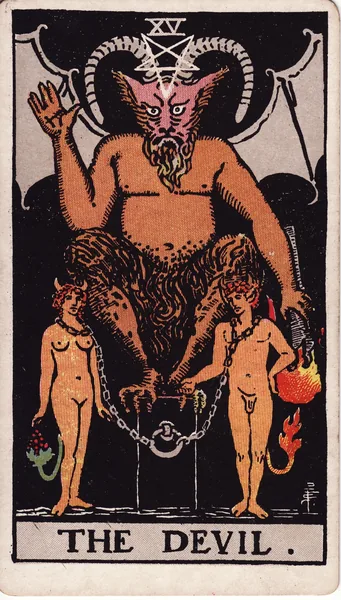
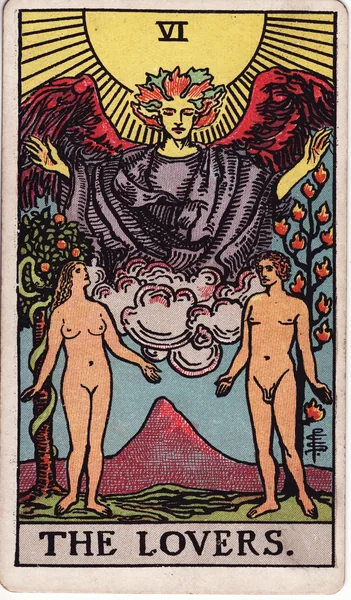
Readers often look to cards like Six of Cups, The Devil, The Lovers for love & relationships questions — each one highlighting a different facet of the situation.
Ask Selene yourself
Your question, three cards, and a full AI interpretation — free, no account, about a minute.