 TAROFLIP
Dream Tarot Spread: Using Tarot to Read Your Dreams
Dreams speak tarot’s native language — symbols, not sentences — which makes them unusually good material for a reading. A dream spread translates the night’s images into the day’s language: pull one card per dream element and read them in combination, the way you would read positions in a spread. The cards do not decode the dream; they give your waking mind a way to hold it still long enough to understand it. The simplest layout is four positions. <strong>1. The core image</strong> — the dream’s central symbol, stripped of plot. <strong>2. The waking reflection</strong> — where this is actually live in your day life; the dream is usually about Tuesday, not about the apocalypse. <strong>3. The feeling</strong> — what the dream wants you to notice, stated plainly. <strong>4. The use</strong> — one thing to do with it: a conversation, a boundary, a page of writing. Nightmares read on the same layout, with one rule: they are almost always about avoidance, not prediction. The monster is the thing you keep not looking at. Keep a three-line dream log: one sentence for the image, one for the feeling, one card. Patterns emerge within weeks — the same hallway, the same lateness, the same card — and a pattern is worth ten single dreams. Skip the dream dictionaries while you read; your associations outrank generic symbols. Teeth falling out means something different to a dentist than to a public speaker, and your meaning is the one that counts.
Tarot works best here as structured reflection: three cards — where you stand, what crosses you, where things lean — read together around your exact question. Selene, TaroFlip's AI reader, writes every interpretation from your words, never from a script.
A worked example
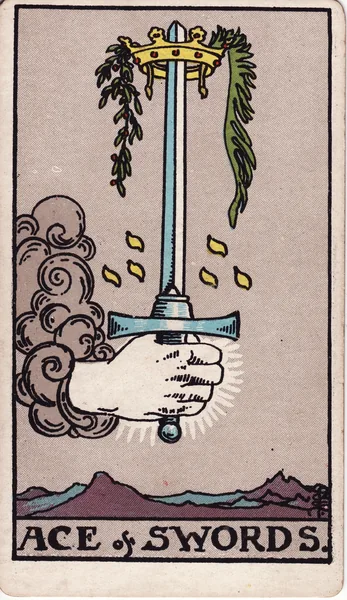
You dream you are late for an exam in a school you have not attended in twenty years. Pull four: the Eight of Wands for the core image (speed, things moving), the Ten of Wands for the waking reflection (an overloaded week), the Moon for the feeling (anxiety about being unprepared), the Ace of Swords for the use (name the one true thing: you said yes to too much). The dream was never about school. It was a calendar with teeth.
When the same dream keeps coming back
Recurring dreams work like stalker cards: repetition is emphasis, not punishment. A dream that returns is a standing invitation — to journal, to talk, to decide — and it fades when the message lands, the same way repeating cards do. If heavy cards or heavy dreams keep surfacing around the same theme, read our guide on why the same card keeps appearing; the protocol is the same. For a lighter daily practice, the daily one-card pull trains the same symbol-muscle the dream spread uses.
Cards often tied to this question
Questions, answered
Can tarot answer this question?
Tarot doesn't predict outcomes — it reflects the dynamics around your question so you can see your situation more clearly. Think of it as a mirror with symbols rather than a crystal ball.
How do I get a free reading for this?
Ask your question in your own words on TaroFlip's free reading page, draw three cards, and Selene writes an interpretation around your actual question. No account, no card, about a minute.
Which cards are associated with this kind of question?
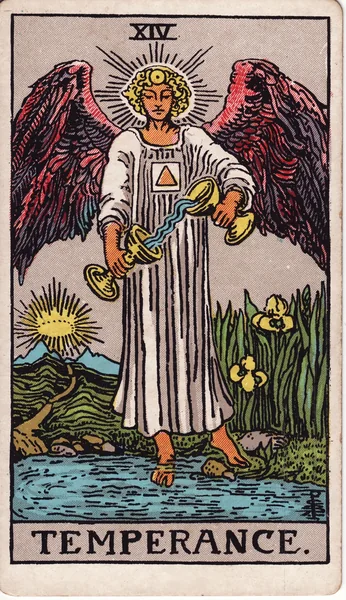
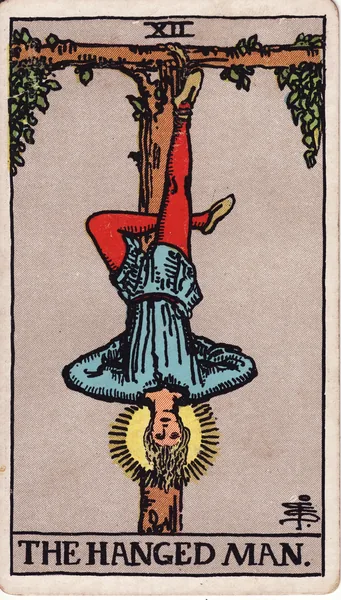
Readers often look to cards like Temperance, The Hanged Man, Ace of Swords for spirituality & growth questions — each one highlighting a different facet of the situation.
Ask Selene yourself
Your question, three cards, and a full AI interpretation — free, no account, about a minute.