 TAROFLIP
Reading Reversed Tarot Cards — Free Guide
A reversed tarot card is not a broken card, and it is not the opposite of the upright card. When a card lands upside down, most readers treat it as the same energy with something changed: blocked, delayed, turned inward, or asking for a second look. The Six of Cups upright often points at nostalgia and old connections; reversed, it usually points at nostalgia that has become a hiding place. The feeling is related, not replaced. That distinction is the skill. If you flip every meaning into its opposite, you lose the thread; if you ignore reversals entirely, you lose information. The method below keeps it simple: pick one way of reading reversals, apply it the same way across a whole spread, and let the card’s position and its neighbors do the rest of the talking. You do not need a second deck or a special ritual to read reversals well.
Tarot works best here as structured reflection: three cards — where you stand, what crosses you, where things lean — read together around your exact question. Selene, TaroFlip's AI reader, writes every interpretation from your words, never from a script.
Three ways to read a reversal — pick one and stay with it
The three common lenses are blocked energy, inward energy, and a quieter version of the upright meaning. Blocked energy means the card’s theme is present but stuck: the opportunity exists, the conversation has not happened, the door is not locked, just jammed. Inward energy means the theme plays out privately first — a decision you are making with yourself before you make it with anyone else. The quieter version means the card is asking you to look again rather than act: the feeling is there, but it is early, faint, or still forming.
Examples help more than definitions. The Ten of Wands reversed often reads as a load in the process of being set down, not a load you are doomed to carry. The Seven of Swords reversed often reads as coming clean, starting with yourself. The Five of Cups reversed often reads as grief shrinking from the whole room to a corner of it. The Ace of Pentacles reversed often reads as a beginning that is blocked or not yet grounded, not a door closed for good. Same lens, three different cards, three different sentences. The rule that matters: choose your lens before you shuffle, and do not switch lenses halfway through a spread because one card gave you an answer you did not like. That switch is the one real misuse of reversals.
The upright meaning still does half the work
A reversal modifies a meaning; it does not erase it. Start by stating the upright meaning in one plain sentence. The Nine of Wands upright is guarded endurance — you have been through a lot and you are still standing, watchfully. Reversed, the guard itself becomes the question: the wall that protected you may now be keeping help out. If you cannot state the upright meaning first, look it up before you decide what the reversal means; guessing at both layers at once is how readings turn into mush.
This is also why the Nine of Wands reversed and the Six of Cups reversed repay a slow read. Both cards are about something that helped once and now costs more than it gives. The reversal is not telling you the past was bad or the guard was wrong. It is asking whether the old protection still fits the current situation — a narrower, more useful question than “is this good or bad?”
Reversals inside a three-card spread
In a three-card spread, read the sentence, not the word. Each position already has a job — where you stand, what crosses you, where things lean — and the reversal only modifies that position’s word. A reversed card in “what crosses you” points at an obstacle that is internal, delayed, or half-acknowledged. The same card in “where things lean” points at an outcome that needs more time or a quieter approach. The position changes the sentence; the reversal changes the tone.
Count them, but do not panic about the count. One reversal is a note in the margin. Two or three reversals are the spread’s weather: something across the whole situation is blocked, inward, or still forming. That is often the most honest thing a spread can say, especially when the question itself is about something stuck. If the same reversed card keeps turning up across days, our guide to why the same card keeps appearing is the next place to look — repetition is usually the deck refusing to let a postponed question stay postponed.
When to read upright-only, without guilt
Many experienced readers read upright-only by choice, and beginners have a good reason to start there: one layer of meaning, learned well, beats two layers guessed at. Reading for someone else for the first time, or meeting a brand-new deck, are both fine moments to leave reversals out. Our new deck interview spread and our guide to reading tarot for someone else both work perfectly well upright-only.
The honest distinction is this: a reversal you leave out on purpose is a method. A reversal you flip over because you did not like what it said is wishful thinking. If you want to practice, try a three-card spread with one question you already know the shape of, note every reversal, and write one sentence per card before you reach for any guidebook. The notebook teaches reversals faster than any keyword list, because it forces you to say what you actually see.
Cards often tied to this question

Questions, answered
Can tarot answer this question?
Tarot doesn't predict outcomes — it reflects the dynamics around your question so you can see your situation more clearly. Think of it as a mirror with symbols rather than a crystal ball.
How do I get a free reading for this?
Ask your question in your own words on TaroFlip's free reading page, draw three cards, and Selene writes an interpretation around your actual question. No account, no card, about a minute.
Which cards are associated with this kind of question?
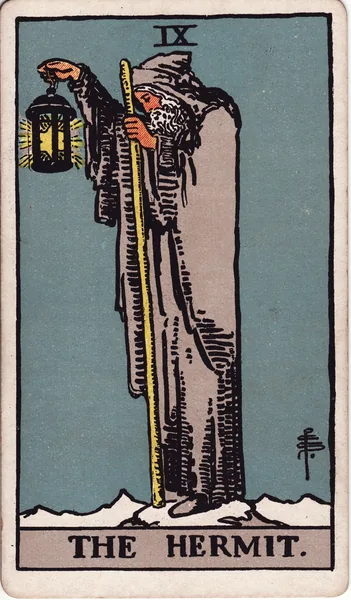
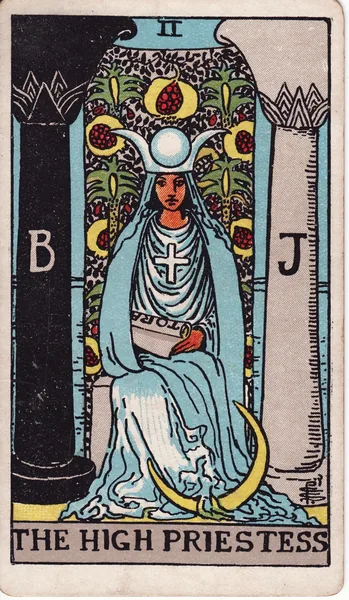
Readers often look to cards like The Hermit, The High Priestess, The Star for spirituality & growth questions — each one highlighting a different facet of the situation.
Ask Selene yourself
Your question, three cards, and a full AI interpretation — free, no account, about a minute.