 TAROFLIP
Will I Find Love Again Tarot: Free Guide
Will you find love again? After a breakup the question sounds like a request for a timeline, but timelines are the least useful part of it. Nobody can hand you a date, and a date would not help even if they could, because readiness is not a calendar event. A tarot reading works best here when it turns the question around: not "when will love arrive," but "what would need to be true for me to recognise it, welcome it, and stay in it?" That version has an answer you can act on. Below are the reasons "again" makes the question harder than it looks, three observable signs of readiness, the cards readers associate with a new beginning, and a spread that asks about your life rather than your luck.
Tarot works best here as structured reflection: three cards — where you stand, what crosses you, where things lean — read together around your exact question. Selene, TaroFlip's AI reader, writes every interpretation from your words, never from a script.
Why "again" makes the question harder
"Again" smuggles in a comparison. It quietly asks whether the next love will be like the last one, only better, or whether it will repair what the last one broke. Neither is a fair job for a new person. A new relationship is not a sequel, and treating it as one turns every new person into an audition for a role that was written for someone else. The grief underneath the question is real and deserves its own space: you are not only asking about the future, you are asking whether the love you lost was the last real one. It was not the last real one. It was the last one so far, and that distinction matters more than any card.
Grief also refuses a straight line, which is why "am I over it yet" is a poor test. You can be ready for love and still miss someone on a Tuesday. You can miss someone fiercely and still be ready. Readiness is not the absence of grief. It is the presence of room: room in your week, room in your attention, room for another person to be themselves instead of a remedy. If you are still deciding whether to leave or stay in the old story, start with our page on should I move on before asking about what comes next.
Three signs of readiness you can actually observe
First, interest in ordinary things returns on its own. Not forced cheerfulness, but the small, unperformed kind: a meal you want to cook, a walk you want to take, a joke you want to tell someone. Desire for life in general usually returns before desire for a relationship, and it is the sturdier foundation. Second, comparison softens. A new person stops being graded against the old one in every sentence, and you can notice what is actually in front of you instead of what is missing. Third, you can describe what you want now, not only what you lost. "Someone kind, with a life of their own, who argues fairly" is a description. "Someone like before, but who stays" is a wish for the past with the ending rewritten.
None of these signs is a promise, and none of them needs to be perfect. Two out of three, on most days, is enough to start meeting life again. If the signs are absent, that is not a verdict either. It usually means the grieving work is still the main work, and rushing past it tends to produce a relationship that has to carry the grief for you. Our page on will I meet someone soon looks at the same question from the timing side, and it is honest about what timing questions can and cannot answer.
Cards readers associate with a new beginning
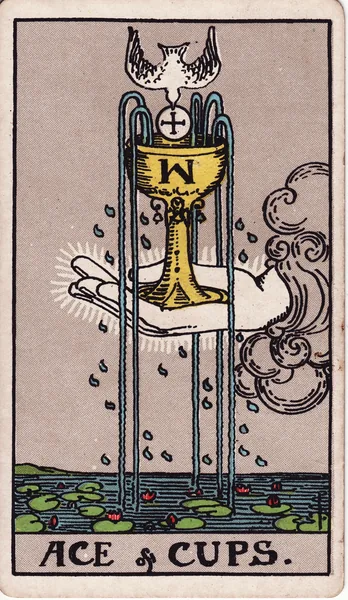
The Ace of Cups is the card most often tied to this question: a new emotional beginning, offered rather than forced. It is an opening, not a guarantee, and it works best read as an invitation to be open rather than as a prediction that someone specific is coming. The Star appears here as well, in its quieter sense: a life that feels like yours again, which is usually what makes love possible rather than the other way around. The Six of Cups warns against the opposite error, reading every new person through nostalgia for the old one, and it is worth noticing when it shows up in a reading about someone new.
Card combinations matter more than single cards here. An Ace of Cups beside the Hermit suggests a beginning that needs solitude first, not a crowd. An Ace beside the Knight of Cups suggests movement, an invitation worth accepting. Read the cards as a sentence about your life, not as a weather forecast about your love life. If the sentence describes a life you would enjoy living, the question underneath it has mostly answered itself. A new relationship reading can help you look at the early stage of a specific connection once one actually exists.
A spread that asks about your life, not your luck
Try three positions: what has actually healed, what do I want now that I did not want before, and where does my life already meet people? The first position keeps the reading honest, because it names the work already done instead of pretending the past never happened. The second position is the most useful one in the whole spread: wants change after a breakup, and a want formed after loss is often clearer than a want formed before it. The third position is practical on purpose. Love tends to arrive through the life you already live: the class, the friend group, the routine that puts you near people you enjoy, not through a search for love in the abstract.
Ask one focused question in a three-card spread — "what would help me recognise love when it is real?" — and notice which card you want to re-read until it names a date. The urge for a date is usually where the honest sentence lives: not "when," but "what kind of life would I be living when love could find me there?" Build that life first, at whatever pace grief allows, and the question stops being a plea and becomes a description.
When the love you hope for is a first love
For many people asking this question, "love again" quietly means one specific person: a first love. The question is not really whether love will arrive in general. It is whether that particular love, the one that set the standard, could still come true. That distinction matters, because wanting a person back and wanting the feeling back are different wants, and they point at different next steps. Wanting the person back asks for a conversation, or at least an honest look at whether a conversation is possible. Wanting the feeling back asks for a life that can hold that feeling again, with someone new or on your own terms. Our page on first love tarot takes up the question from there: the three ways first love shows up in a reading, what tarot can and cannot say about one, and a three-card spread for reading your own first love clearly.
The test is simple, and it is worth doing before you ask the cards anything else. Picture the life you want, and remove the person from it. If the picture stays warm — mornings you look forward to, work that matters, people who know you — then what you want is a life love can enter, and the first love was a glimpse of it rather than the only copy. If the picture goes blank without them, then the question is not really about love again. It is about grief that has not yet had its say, and grief deserves its own space before any new beginning is asked to carry it. Either way, the answer is not a date. It is a description of the life you would be living when love could find you there.
Cards often tied to this question
Questions, answered
Can tarot answer this question?
Tarot doesn't predict outcomes — it reflects the dynamics around your question so you can see your situation more clearly. Think of it as a mirror with symbols rather than a crystal ball.
How do I get a free reading for this?
Ask your question in your own words on TaroFlip's free reading page, draw three cards, and Selene writes an interpretation around your actual question. No account, no card, about a minute.
Which cards are associated with this kind of question?
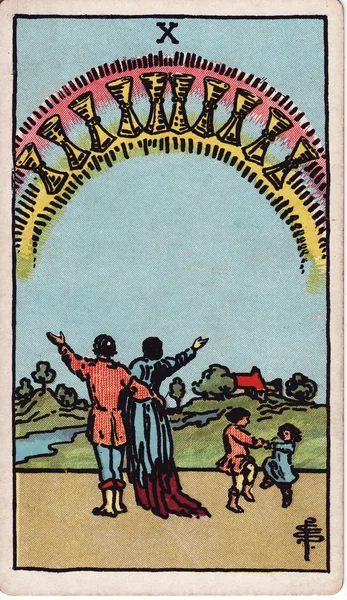
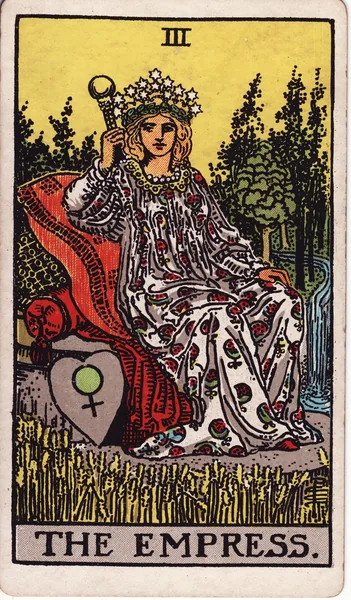
Readers often look to cards like Ten of Cups, Ace of Cups, The Empress for love & relationships questions — each one highlighting a different facet of the situation.
Is wanting my first love back the same as wanting love again?
Not quite. Wanting a first love back is about one person; wanting love again is about a life love can enter. The cards can help you tell them apart: if the picture of a good life stays warm without that person in it, you are ready for something new, not only for them.
Ask Selene yourself
Your question, three cards, and a full AI interpretation — free, no account, about a minute.