 TAROFLIP
Next Love Tarot Reading: A Free Guide
Who will my next love be? It is the question people ask after a breakup has healed to look forward, or after a long stretch of being single starts to feel like a pattern. A next love tarot reading works best when it treats that question as two questions, not one. The first is about readiness: what are you still carrying from the last chapter, and what would have to change before a new connection could land? The second is about shape: what does the next connection look like — not a name or a date, but the qualities that would make it different from the last one. The cards cannot name a person or set a date. What a reading can do is show you the pattern you keep choosing, the one you keep avoiding, and the smallest honest step that would let something new in.
Tarot works best here as structured reflection: three cards — where you stand, what crosses you, where things lean — read together around your exact question. Selene, TaroFlip's AI reader, writes every interpretation from your words, never from a script.
What a next love reading can — and cannot — show
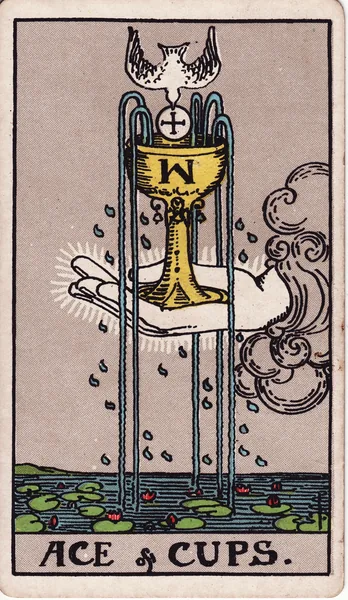
Start with the honest part, because it is the part that matters most: no tarot card can name your next love, and no spread can set a date for when they arrive. The Ace of Cups is the card people reach for first, and it does show a new emotional beginning — an openness, a fresh capacity to feel. But an opening is not a person. It can mean you are ready for someone new, or it can mean you are ready to feel again after a long numb stretch, and those are different things. The Wheel of Fortune works the same way: it marks a turn, a change in the pattern, not a scheduled delivery. A card can name the shape of what is coming. It cannot deliver a person.
That limit is not a flaw in the cards. It is the boundary that keeps a reading honest. A reader who tells you a card names your next partner is selling certainty the deck does not have — and the cost of that certainty lands on a real life, usually in the form of waiting for a stranger instead of living the week you are in. What the cards can show is narrower and more useful: whether you are actually ready for what you say you want, what you keep choosing without noticing, and what would have to change before a new connection could take hold. If you read Japanese or Korean, our 恋の行方タロット and 다음 연애 타로 guides cover the same ground in those languages: the shape of the next love, and how to tell it apart from the one you just left.
Next love, soulmate, or timing: three different questions
People ask about their next love in three different ways, and the cards answer each one differently. “Who is my next love?” is a question about shape and readiness — what the connection looks like, and whether you are ready to meet it. “Is this person my soulmate?” is a question about a bond you already have, and it asks for a label. Our page on soulmate tarot takes up that question on its own terms — what it can and cannot show, and how it differs from a twin flame pull. “When will I meet someone?” is a question about timing, and it is the one tarot is worst at: our page on when will I meet my soulmate is honest about that limit, and so is our page on will I meet someone soon.
There is a fourth question hiding underneath the other three, and it is usually the real one: “Am I ready, or am I lonely?” Readiness and loneliness feel the same from the inside, and the cards are good at separating them. Readiness looks like this: you can name what you want without naming a specific person, you have room in your week for someone new, and the last chapter is something you have grieved rather than something you are still negotiating. Loneliness looks like this: any warm attention feels like proof, the question gets asked every day, and the answer matters more than the person. If the question is really about readiness after a breakup, our page on will I find love again takes it up directly, including the difference between being ready and being lonely.
The cards readers watch when the question is next love
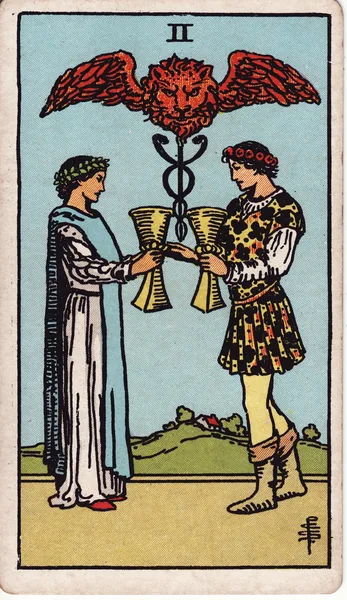
The Ace of Cups is the card most often tied to this question, and the reason is visible in the image: a cup overflowing, offered without conditions. Read honestly, it points to emotional readiness — the capacity to receive, not a person arriving on schedule. The Two of Cups is the card of meeting halfway: two people facing each other, cups offered equally, neither one chasing. Upright it shows reciprocity in action — interest that comes back to you rather than effort you have to chase. The Page of Cups is the card of a message or an invitation — someone reaching out, or you reaching out, in a small way that could grow. The Knight of Cups is the card of someone moving toward you with feeling, and it asks whether you will meet that movement or watch it pass.
The Star is the card of healing complete enough to hope again: the bond that exists because you recovered from something, and found yourself steady on the other side of it. The Wheel of Fortune is the card of the turn itself — a change in the pattern, an opening you did not plan, a meeting that happens because you went somewhere new rather than because you waited somewhere old. If you want to know the cards themselves, start with the Ace of Cups card page, the Two of Cups card page, the Page of Cups card page, the Knight of Cups card page, the Star card page, and the Wheel of Fortune card page — then bring what you learn back to your own situation, not the other way around.
A three-card spread for your next love
Try three positions, asked in this order: what am I still carrying from the last chapter; what does the next connection ask of me; and what is the smallest honest step I can take this week? The first position names the real weight, not the flattering one — the habit, the hurt, or the standard you have not examined. The second position is the cost and the gift together: every new connection asks something of you, usually honesty, availability, or a change you have been avoiding. The third position must be small enough to do this week, and it has only three honest forms.
Go somewhere new once this week — a place, a gathering, a class — somewhere the next person could actually be, rather than somewhere you already go alone. Make one clear invitation with a time and a place, so another person has something concrete to say yes to. Or set a review date for yourself: if nothing has changed in two to four weeks, you will look at what you did, not at what the cards said — not as punishment, but as honesty. Ask one focused question in a three-card spread and notice which step you keep skipping. The step you keep skipping is usually the one the reading is actually about.
Cards often tied to this question
Questions, answered
Can tarot answer this question?
Tarot doesn't predict outcomes — it reflects the dynamics around your question so you can see your situation more clearly. Think of it as a mirror with symbols rather than a crystal ball.
How do I get a free reading for this?
Ask your question in your own words on TaroFlip's free reading page, draw three cards, and Selene writes an interpretation around your actual question. No account, no card, about a minute.
Which cards are associated with this kind of question?
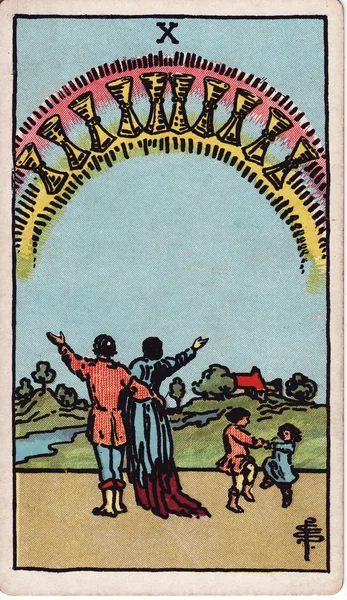
Readers often look to cards like Two of Cups, Ten of Cups, Ace of Cups for love & relationships questions — each one highlighting a different facet of the situation.
Ask Selene yourself
Your question, three cards, and a full AI interpretation — free, no account, about a minute.